News

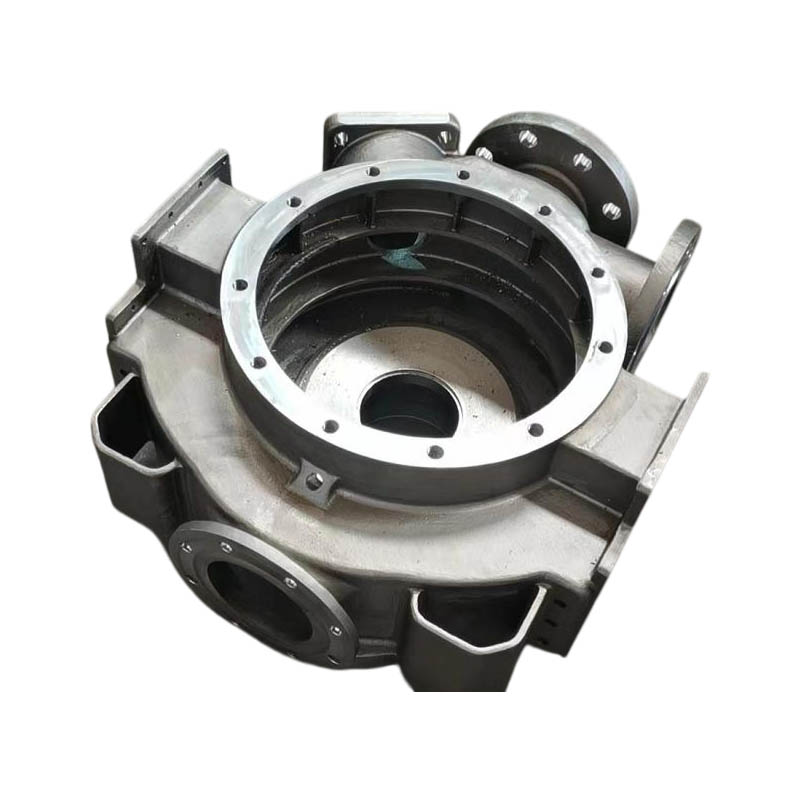
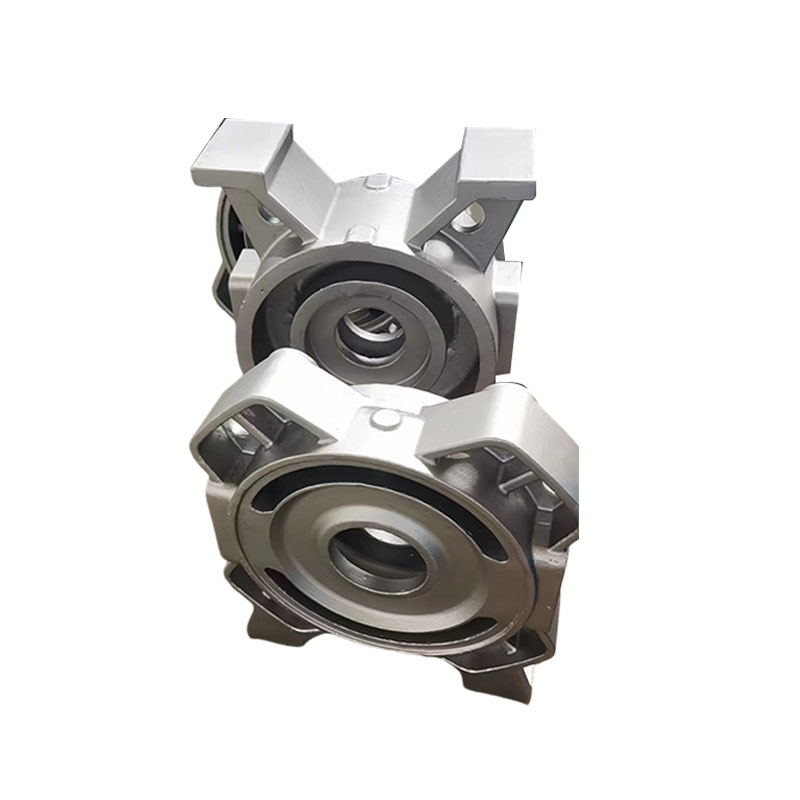
Precision Casting Pump Body: Setting a New Benchmark in Fluid Transfer with Masterful Craftsmanship

Publish Time: 2026-03-30
In the grand narrative of industrial manufacturing, the pump body, as the core component of fluid transfer systems, directly determines the operational efficiency, service life, and reliability of the entire equipment. From petrochemicals, power generation, and water treatment to the food and pharmaceutical industries, virtually every industrial sector involving liquid or gas transport imposes stringent performance requirements on pump bodies. However, traditional pump body manufacturing processes have long faced multiple challenges: large machining allowances, inconsistent surface quality, inadequate corrosion resistance, and the added costs and environmental burdens associated with subsequent coating treatments. How to achieve higher efficiency, superior quality, and more environmentally sustainable manufacturing while ensuring the structural strength and dimensional accuracy of pump bodies has become a key concern for both pump manufacturers and end-users. Against this backdrop, precision casting pump bodies—leveraging the unique advantages of the silica sol casting process and characterized by breakthrough features such as “retaining the original metallic color, requiring no painting, and achieving a machining allowance of just 3mm per side”—have redefined the quality standards for high-performance pump bodies, establishing a new benchmark for the fluid transfer industry.
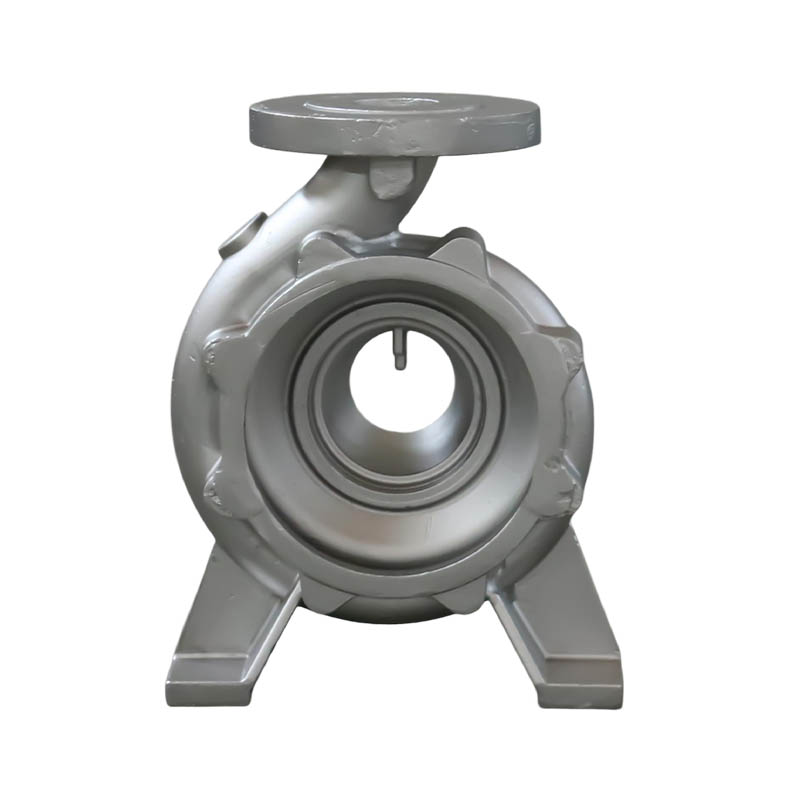

Pump Body Z150-315 Silica sol castings can retain the original metallic color, do not require painting, and have a machining allowance of 3mm per side.
1. The Evolution of Pump Body Manufacturing and Its Challenges

1.1 Limitations of Traditional Casting Processes in Pump Body Manufacturing

As typically complex structural components, pump bodies usually feature irregular internal cavities, varying wall thicknesses, and precise interface dimensions, making their manufacturing considerably more challenging than that of ordinary mechanical parts. In the traditional casting process landscape, sand casting has long been the dominant method. Although sand casting is mature and relatively low in cost, its inherent drawbacks are significant. Due to the rough surface of sand molds and limited dimensional precision, castings often require substantial machining allowances to compensate for potential dimensional deviations, shrinkage cavities, and gas holes that may occur during casting. Conventionally, the machining allowance per side for sand-cast pump bodies is often 5mm or more—sometimes even greater—which not only leads to substantial material waste but also significantly increases subsequent machining time and tooling costs.

More critically, the surface quality of sand-cast pump bodies is generally poor, characterized by high surface roughness and a tendency to retain sand adhesion, scale, and other defects. To achieve an aesthetically pleasing and corrosion-resistant appearance, most sand-cast pump bodies require painting or coating. However, the coating process itself introduces a series of issues: the adhesion of paint is influenced by the quality of substrate surface preparation, and over long-term use, peeling and flaking may occur; coatings can mask microscopic defects in the base material, making quality inspection difficult; and importantly, coating processes involve the emission of volatile organic compounds, creating a conflict with increasingly stringent environmental regulations. These challenges have long plagued the pump body manufacturing industry, driving a continuous search for more advanced casting process solutions.

1.2 Demanding Requirements for Pump Body Quality in High-End Applications

As industrial equipment evolves toward higher efficiency, greater precision, and longer service life, the operating environments for pump bodies have become increasingly demanding. In the chemical industry, pump bodies must withstand long-term exposure to corrosive media such as strong acids, strong alkalis, and organic solvents. Any surface defects or coating failures can accelerate corrosion, potentially leading to leakage incidents. In the food and pharmaceutical industries, pump bodies require not only excellent corrosion resistance but also strict hygienic standards—smooth surfaces with no dead corners, easy to clean and sterilize, preventing microbial growth. In marine engineering and shipbuilding, pump bodies are exposed to high-salt and high-humidity environments for extended periods, placing extreme demands on material weather resistance and corrosion resistance.

Faced with these high-end applications, the traditional sand casting plus coating approach has increasingly shown its limitations. Once the coating layer is damaged, corrosive media rapidly attack the base metal, causing premature pump body failure. Conversely, increasing wall thickness and machining allowances to ensure safety leads to a cascade of consequences: increased weight, higher costs, and reduced efficiency. It can be said that the modern industrial pursuit of pump body quality has moved beyond simple functionality toward a comprehensive upgrade encompassing high purity, high dimensional accuracy, high surface quality, and superior corrosion resistance. This has created significant development opportunities for the application of precision casting processes in pump body manufacturing.
Pump Body
2. Silica Sol Precision Casting: The Process Foundation for Precision Pump Body Manufacturing

2.1 Technical Principles and Advantages of the Silica Sol Casting Process

Silica sol precision casting, also known as investment casting, is an advanced forming process that achieves high-precision castings through a series of steps: creating a meltable wax pattern, applying refractory coatings, dewaxing, firing, and pouring, using silica sol as the binder. Compared with conventional sand casting, the most notable features of silica sol casting are its excellent dimensional accuracy and surface quality. Because the wax pattern is formed using precision molds and then coated with multiple layers of refractory material to build the ceramic shell, the resulting castings can achieve dimensional accuracy to CT4-CT6 grade and surface roughness to Ra3.2-Ra6.3μm, with machining allowances per side controlled to extremely small levels, enabling near-net shape or fully net shape for certain surfaces.

Silica sol, as a binder, plays a crucial role in this process. Silica sol is a colloidal dispersion of nano-sized silica particles in water, characterized by excellent film-forming properties and high-temperature stability. During the shell-building process, silica sol combines with refractory powders to form a robust ceramic shell after drying, capable of withstanding the erosion and thermal shock of molten metal. Compared with traditional water glass binders, silica sol shells offer higher high-temperature strength, lower thermal expansion coefficients, and better chemical stability, making them particularly suitable for producing high-end castings that demand stringent surface quality and dimensional accuracy.

For pump body manufacturing, the technical benefits of silica sol casting are multifaceted. First, the exceptional dimensional accuracy brings critical areas such as flow channels, mounting flanges, and sealing surfaces much closer to final dimensions, significantly reducing subsequent machining workload. Second, the outstanding surface quality allows castings to exhibit the natural luster and texture of the metal as-cast, eliminating the need for coatings to conceal defects. This preserves the inherent properties of the metallic material while avoiding the environmental pressures and long-term reliability concerns associated with coating processes. Additionally, silica sol casting effectively reduces casting defects such as gas holes, shrinkage cavities, and inclusions, enhancing the density and mechanical properties of the castings—providing a solid foundation for reliable long-term operation of pump bodies under harsh conditions such as high pressure and corrosive environments.

2.2 End-to-End Quality Control from Raw Material to Finished Product

The ability of precision casting pump bodies to achieve the high standards of “retaining the original metallic color, requiring no painting, and achieving a machining allowance of just 3mm per side” relies not only on the inherent advantages of the silica sol casting process, but also on a comprehensive, end-to-end quality control system spanning the entire production chain from raw materials to finished products.

At the raw material stage, precision casting pump bodies are produced using high-quality corrosion-resistant materials such as stainless steel, duplex steel, nickel-based alloys, and copper alloys, ensuring superior corrosion resistance and mechanical properties from the source. The chemical composition of each alloy is strictly verified through spectral analysis to confirm compliance with relevant material standards and customer requirements. During the wax pattern stage, high-precision molds and stable forming processes ensure pattern dimensional consistency, laying a solid foundation for subsequent shell building.

The shell-making process is the core of silica sol casting and a critical determinant of casting surface quality and dimensional accuracy. Through precise control of workshop temperature, humidity, slurry viscosity, drying time, and other parameters, each layer of the shell is ensured to be uniform, dense, and free from bubbles and cracks. For castings with complex internal cavities like pump bodies, the shell must achieve a delicate balance between strength and permeability—sufficient strength to withstand the impact of molten metal during pouring, yet adequate permeability to prevent gas hole defects. During pouring, appropriate pouring temperature and speed are employed, combined with computer simulation to optimize the gating system design, ensuring smooth filling of the mold cavity and directional solidification, thereby minimizing shrinkage cavities, porosity, hot tears, and other casting defects.

After casting, the pump bodies undergo a series of post-processing operations including cutting, grinding, shot blasting, and pickling to remove gates, risers, and residual shell material, further improving surface quality. At each stage, strict inspection checkpoints are implemented to verify dimensions, surface quality, and internal integrity, ensuring that every precision casting pump body leaving the facility meets design specifications. It is this meticulous attention to process details and rigorous end-to-end control that enables precision casting pump bodies to ultimately present with the unadorned beauty of metallic color and the high precision represented by minimal machining allowances, earning market recognition and trust.

3. Core Performance Breakthroughs of Precision Casting Pump Bodies

3.1 The Beauty of Original Metallic Color: The Deeper Value of Paint-Free Surfaces

The most visually striking characteristic of precision casting pump bodies is their retention of the metal’s original color and texture. After casting, the pump body surface displays the characteristic silvery-white luster of stainless steel, the warm golden tone of copper alloys, or the subdued gray of nickel-based alloys—without any applied coating. This “unadorned” state, at first glance, may seem purely aesthetic, but upon deeper analysis, it embodies multiple layers of substantive value.

From a quality and reliability perspective, the absence of paint means there is no coating to conceal substrate defects. Every surface truly reflects the original state of the metallic material, where any minor casting defects, gas holes, or inclusions remain visible, facilitating comprehensive and accurate assessment by quality inspectors. This transparency essentially reflects a high degree of confidence in product quality—only when surface quality is sufficiently excellent and internal structure sufficiently dense can a manufacturer confidently deliver products in their uncoated, original metallic state.

In terms of corrosion resistance, most coating systems cannot match the inherent corrosion resistance of high-quality stainless steel or nickel-based alloys themselves. Coatings may fail over time due to aging, scratching, or media penetration; once a coating is compromised, localized corrosion often accelerates. Precision casting pump bodies, by contrast, rely on the inherent corrosion resistance of the metallic material, remaining stable throughout their service life without the risk of coating failure. For applications with extremely high corrosion resistance requirements—such as chemical processing, marine environments, and food production—this offers irreplaceable advantages.

From environmental and sustainability perspectives, the elimination of painting directly removes the volatile organic compound emissions, hazardous waste generation, and energy consumption associated with coating processes. With increasingly stringent environmental regulations and growing societal emphasis on green manufacturing, this characteristic positions precision casting pump bodies as an optimal choice aligned with sustainable development principles. Furthermore, at the end of their service life, these pump bodies can be directly recycled and melted without requiring coating removal, achieving higher material recovery rates and further embodying circular economy concepts.

3.2 3mm Machining Allowance Per Side: Dual Enhancement of Precision and Efficiency

Another highly competitive technical specification of precision casting pump bodies is a machining allowance of just 3mm per side. For those familiar with machining, the significance of this figure is profound. Conventional sand-cast pump bodies typically require allowances of 5mm or even more to compensate for dimensional variations and surface defects. This means that during the machining stage, substantial time and tooling costs are expended to remove layer after layer of excess metal to achieve final precise dimensions.

A 3mm machining allowance per side reduces subsequent machining workload by nearly half or more. The direct benefits include significantly improved machining efficiency—processing time per pump body is substantially reduced, equipment utilization increases, and manufacturing cost per unit decreases. Simultaneously, reduced machining allowance means less metal chip generation, lowering raw material waste and improving material utilization. For high-volume pump body production, these advantages accumulate to form considerable cost savings.

Even more importantly, a small machining allowance reflects the high dimensional and geometric accuracy of the casting itself. Since the casting already closely approximates final dimensions, the primary role of machining shifts from “forming” to “finishing”—removing an extremely thin layer to achieve final fit dimensions and surface finish. This processing approach significantly reduces cutting stresses and deformation risks during machining, helping preserve the original stress state of the pump body structure and enhancing the dimensional stability and long-term reliability of the final product.

From a design perspective, a 3mm machining allowance per side also enables lightweight pump body design. Designers can more precisely control wall thickness distribution, avoiding the need to increase thickness to accommodate large machining allowances, thereby achieving multiple objectives: weight reduction, cost savings, and efficiency improvement. As modern industrial equipment trends toward lightweight and high efficiency, this capability gives precision casting pump bodies greater design freedom and engineering adaptability.
Silica sol castings can retain the original metallic color, do not require painting, and have a machining allowance of 3mm per side.
4. Application Scenarios and Engineering Value of Precision Casting Pump Bodies

4.1 Chemical and Petrochemical Industries: Ideal Choice for Corrosion Resistance and High Reliability

In the chemical and petrochemical industries, pump bodies must endure prolonged contact with highly corrosive media, high-temperature fluids, and flammable substances, imposing extremely high demands on material corrosion resistance, sealing reliability, and safety. Precision casting pump bodies, manufactured from corrosion-resistant materials such as stainless steel, duplex steel, and Hastelloy alloys, combined with the dense structure and smooth surfaces achieved through the silica sol casting process, demonstrate exceptional resistance to acidic and alkaline media, salt solutions, organic solvents, and other challenging environments.

The paint-free characteristic of precision casting pump bodies holds particular significance in chemical applications. Coatings often become weak points in chemical environments—once media penetrate the interface between coating and substrate, crevice corrosion or coating blistering can easily occur. Precision casting pump bodies, relying on the inherent corrosion resistance of the metal substrate, eliminate the risk of coating failure, fundamentally enhancing operational reliability under severe conditions. Furthermore, the precision casting process enables accurate formation of complex flow channel geometries, ensuring smooth transitions within the pump body’s internal passages, reducing hydraulic losses, and improving pump operating efficiency. These combined advantages have led to the increasingly widespread application of precision casting pump bodies in high-end products such as chemical process pumps, metering pumps, and magnetic drive pumps.

4.2 Food and Pharmaceutical Industries: Perfect Alignment with Hygienic Standards

The food and pharmaceutical industries impose exacting requirements on equipment surface quality. As critical components for media transport, pump bodies must have smooth, crevice-free surfaces that are easy to clean and sterilize, leaving no opportunity for microbial growth. The material itself must not react with the media or leach harmful substances. Conventional sand-cast pump bodies, with their rough surfaces and need for coatings, struggle to meet hygienic application requirements, often necessitating large machining allowances, extensive machining, or even manufacturing from solid blocks—approaches that are costly and inefficient.

Precision casting pump bodies, with their excellent surface finish and original metallic color, naturally align with the hygienic equipment requirements of the food and pharmaceutical industries. Surfaces produced by silica sol casting are smooth and fine, free from sand adhesion and scale, achieving high cleanliness levels after washing. The use of low-carbon stainless steel grades such as 316L provides good corrosion resistance and biocompatibility, meeting FDA, GMP, and other relevant standards. The paint-free characteristic eliminates the safety risk of coating particles contaminating the media, ensuring the equipment remains in a safe, sanitary condition throughout its lifecycle. Consequently, precision casting pump bodies are increasingly becoming standard equipment in applications such as dairy, beverages, pharmaceutical water systems, and biopharmaceutical fermentation, providing reliable safeguards for food and pharmaceutical safety.

4.3 Marine and Offshore Engineering: A Robust Barrier Against Demanding Environments

Marine environments are characterized by high salt spray, high humidity, and strong corrosiveness, presenting severe challenges to the weather resistance and corrosion resistance of metal equipment. In applications such as ship ballast systems, seawater cooling systems, and seawater desalination units, pump bodies are in prolonged direct contact with seawater, making corrosion a core factor affecting equipment life and reliability. Traditional carbon steel pump bodies, even with heavy-duty anti-corrosion coatings, are prone to coating damage and substrate corrosion under the combined effects of seawater flow and salt spray.

Precision casting pump bodies utilize seawater-resistant materials such as super-austenitic stainless steel, duplex stainless steel, or copper alloys, relying on the inherent corrosion resistance of the materials themselves to withstand seawater attack. The smooth, dense surface achieved through silica sol precision casting reduces erosion-corrosion during seawater flow and minimizes susceptibility to biofouling. The paint-free characteristic eliminates the problem of rapid coating failure in marine environments, enabling the pump body to maintain stable performance over service lives that may extend for decades. As marine resource development and shipping industries continue to grow, the application prospects for precision casting pump bodies in shipbuilding, offshore engineering, seawater desalination, and related fields are exceptionally broad.

5. Redefining Industry Benchmarks: The Future Path of Precision Casting Pump Bodies

Precision casting pump bodies, leveraging silica sol casting technology as their process foundation and characterized by core advantages including “retaining the original metallic color, requiring no painting, and achieving a machining allowance of just 3mm per side,” are redefining quality standards for high-performance pump body manufacturing. This represents not merely an advancement in processing technology, but an elevation of manufacturing philosophy—shifting from relying on coatings to conceal defects to showcasing the authentic nature of metal through precision forming; shifting from rough processing with large allowances to the organic integration of near-net shape forming and precision finishing; shifting from merely meeting functional requirements to creating comprehensive value that balances performance, quality, environmental responsibility, and sustainability.

For pump body manufacturers, the adoption of precision casting technology signifies a dual enhancement of manufacturing capability and product positioning. Mastering silica sol precision casting not only enables production of superior quality pump bodies but also allows manufacturers to gain competitive advantage through differentiated technological capabilities. For end-users, choosing precision casting pump bodies means obtaining longer service life, lower maintenance costs, higher operational reliability, and a green solution that aligns with sustainable development principles.

Looking ahead, as industrial equipment continues to evolve toward higher performance, greater intelligence, and enhanced environmental sustainability, the technical advantages of precision casting pump bodies will be further amplified. Advances in materials science will bring more high-performance casting alloys to the market; the integration of numerical simulation and smart manufacturing technologies will further enhance process stability and traceability; and developments in surface treatment technology will offer expanded functional possibilities for metallic-color pump bodies. The high-quality manufacturing philosophy embodied by precision casting pump bodies will also exert far-reaching influence across a broader range of industrial components.

Craftsmanship forged with mastery, development driven by innovation. Precision casting pump bodies, with their outstanding performance and reliable quality, are establishing a new benchmark in the field of fluid transfer. This represents not only a triumph of manufacturing technology, but also the finest interpretation of the craftsman’s spirit—the relentless pursuit of excellence. As industrial manufacturing continues its journey toward ever-higher standards, precision casting pump bodies will undoubtedly continue to provide solid support for the efficient and safe operation of fluid transfer systems across all industries, built on their consistently reliable quality.
×

Contact Us

captcha